Nomadic Housing For Remote Work
Minimal Dealing With Nomadic Real Estate
There's a quiet revolution taking place in just how people choose to live. Tiny houses on wheels, converted vans, sailing boats, and modular vessels are replacing the traditional home mortgage and the four-bedroom residence. At the heart of this change is an easy idea: very own less, move openly, and allow your home follow your life rather than anchoring it. This is minimal living coupled with nomadic housing, and for an expanding variety of people, it's not a stage-- it's an approach.
What Nomadic Housing Actually Suggests
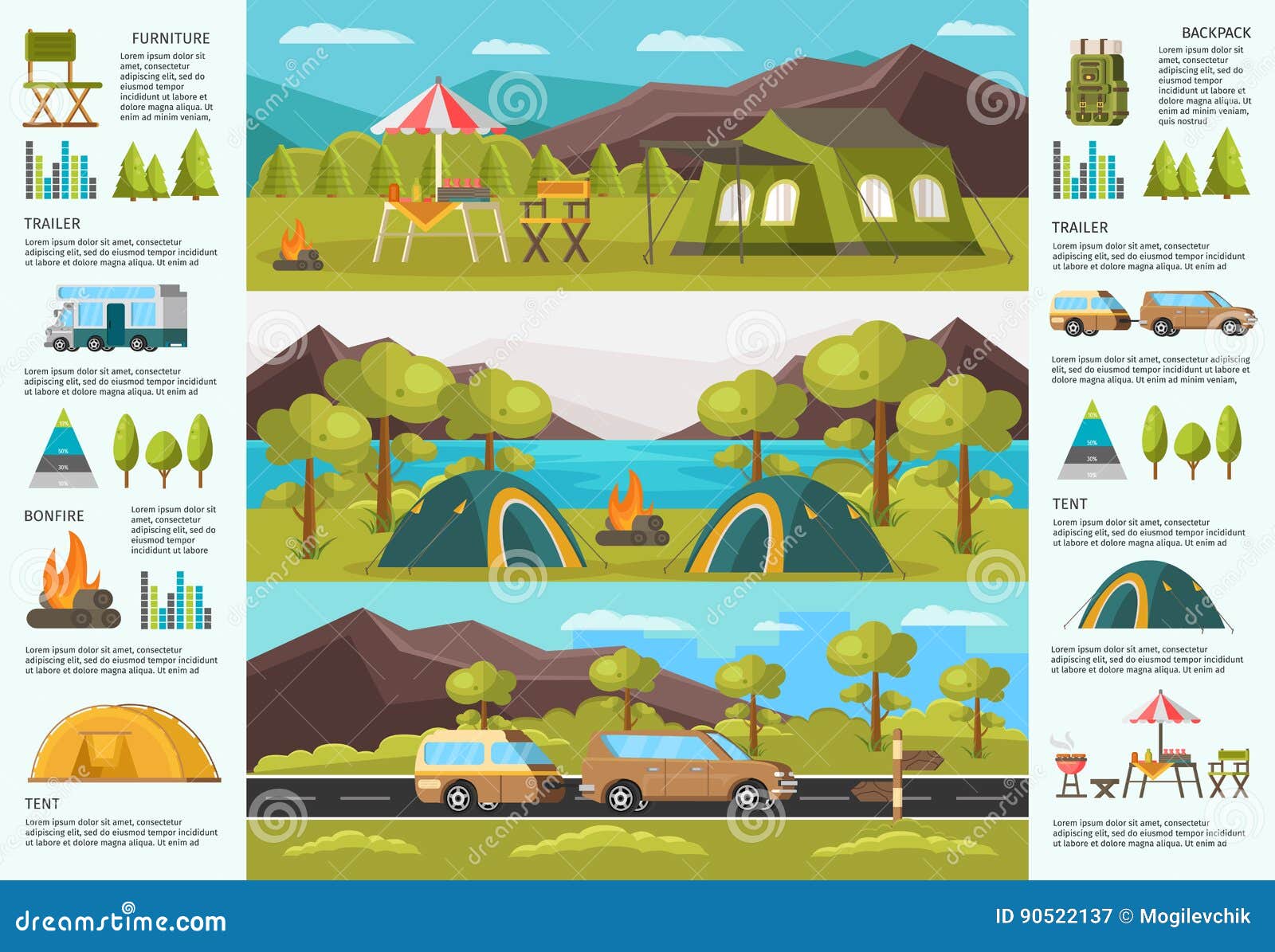
Nomadic real estate refers to any kind of house developed to move with you, whether that's a modified van, a travel trailer, a skoolie, or perhaps a collapsible covering home. Unlike a long-term residence, these rooms are built around mobility. The wall surfaces are lighter, the footprint is smaller sized, and whatever within needs to justify its visibility. This restriction isn't a limitation even a filter. When your home has wheels, every object you bring aboard needs to earn its place.
The Overlap with Minimalism
Minimalism and nomadic housing naturally enhance each other. A minimalist frame of mind asks "do I need this?" prior to every purchase. A mobile home asks the same inquiry, however with a much harder target date: there's simply no area for the response to be "maybe." With each other, they produce a lifestyle where ownerships are selected purposely instead of accumulated by default.
Why Individuals Are Choosing This Life
Financial Liberty
Traditional real estate is frequently the solitary largest expenditure in a person's life. Rental fee, mortgages, real estate tax, and maintenance expenses can consume a 3rd or even more of regular monthly revenue. Nomadic housing dramatically reduces these costs. A durable van or little home can be settled in a portion of the time a traditional mortgage takes, maximizing money for experiences, cost savings, or merely working much less.
Ecological Effect
Smaller sized homes utilize fewer sources to build and preserve. Photovoltaic panel, composting bathrooms, and rain collection systems are common in nomadic configurations, partially out of necessity and partly out of worths. Coping with less square video footage normally means consuming much less power, much less water, and creating much less waste-- a result of the lifestyle that charms highly to environmentally aware movers.
Versatility and Liberty of Movement
Possibly one of the most cited reason people go nomadic is the flexibility to transfer without the burden of selling a home or damaging a lease. Chasing better weather condition, adhering to remote job opportunities, or just food craving brand-new views becomes as simple as beginning the engine. Home quits being a fixed point on a map and becomes something you bring with you.
The Practical Truths of Scaling Down
Relocating right into a mobile home isn't just an aesthetic option-- it calls for real, in some cases hard, choices concerning what stays and what goes. Lots of people that make this transition report letting go of 80 to 90 percent of their valuables. Furnishings, cookware, closets, and sentimental products all get reassessed via a solitary concern: does this serve my life now?
Multi-Functional Style
Nomadic areas rely greatly on furnishings and storage that offer more than one function. A bed may fold into a couch. A stairs could function as a dresser. A table may fall down against the wall when not being used. This sort of layout reasoning, substantiated of necessity, typically winds up making the area feel more intentional than a conventional home ever before did.
Digital Minimalism as a Friend Technique
Physical scaling down has a tendency to spill over into digital life as well. Many nomadic minimalists find themselves decluttering cloud storage space, terminating extra memberships, and paring down their digital impact along with their physical one. The attitude of intentionality does not stop at the front door of the van or tiny house.
Challenges Worth Considering
Nomadic minimal living isn't without rubbing. Discovering reputable auto parking or mooring areas, managing utilities like water and power individually, and browsing altering regulations around long-term car park or land usage can all be authentic headaches. Room restraints likewise mean less locations to pull back to during arguments with a companion or roommate, which can examine partnerships in new ways. It's a way of living that awards planning, perseverance, and a high resistance for problem-solving on the fly.
Is This Way of living for Everybody?
Not necessarily. Minimal nomadic living requests comfort with unpredictability, a desire to troubleshoot mechanical and logistical troubles, and an authentic desire to focus on experiences over belongings. cot bed But also for those that feel born down by conventional homeownership or simply long for much more liberty in exactly how and where they live, it offers an engaging alternative. It's much less about offering things up and more regarding making room-- for movement, for simpleness, and for a life shaped on purpose rather than buildup.
Starting
For anyone interested about this course, the transition doesn't need to be instant. Beginning little: declutter one area, try a weekend break in a rented camper van, or study the policies in locations you wish to park lasting. Minimalist nomadic living is developed one deliberate choice at once, and there's no guideline that claims you can't reduce into it.